Charting the Rise of Specialized Training Modules for Remote Gaming Facilitators in Expanding Digital Networks
Jakob Jenkins · Nov 2, 2026
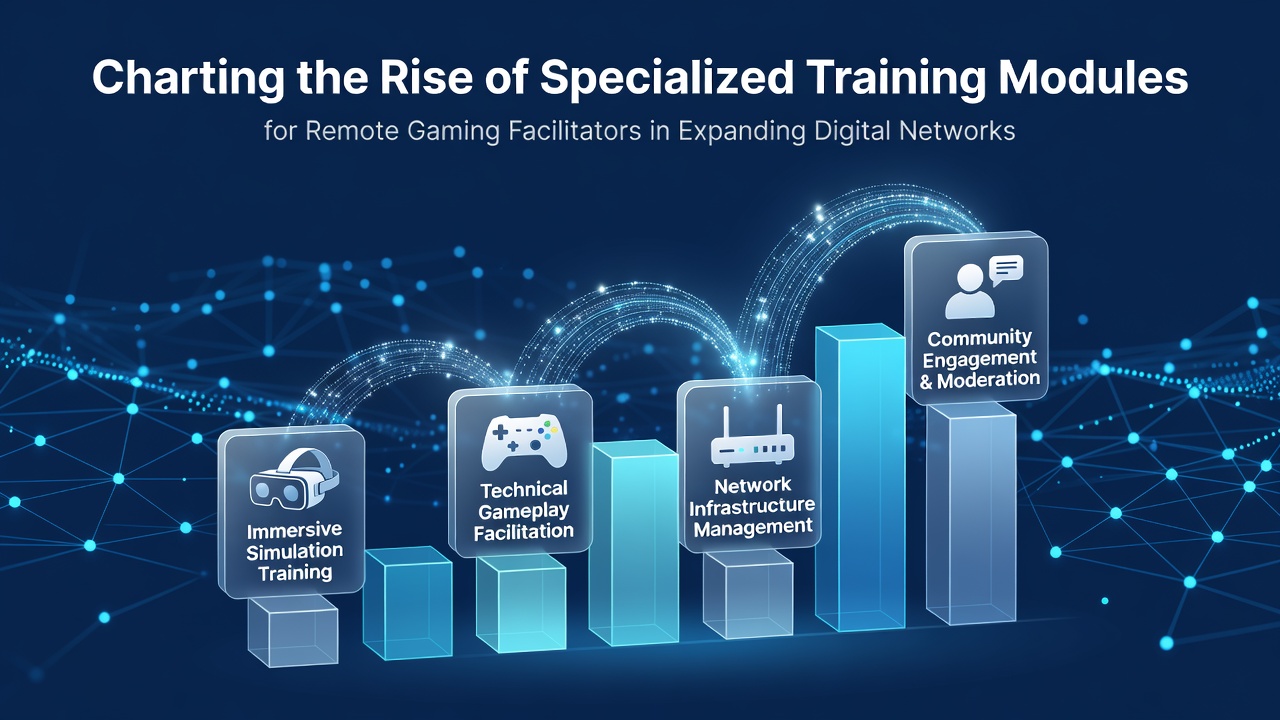
Charting the Rise of Specialized Training Modules for Remote Gaming Facilitators in Expanding Digital Networks
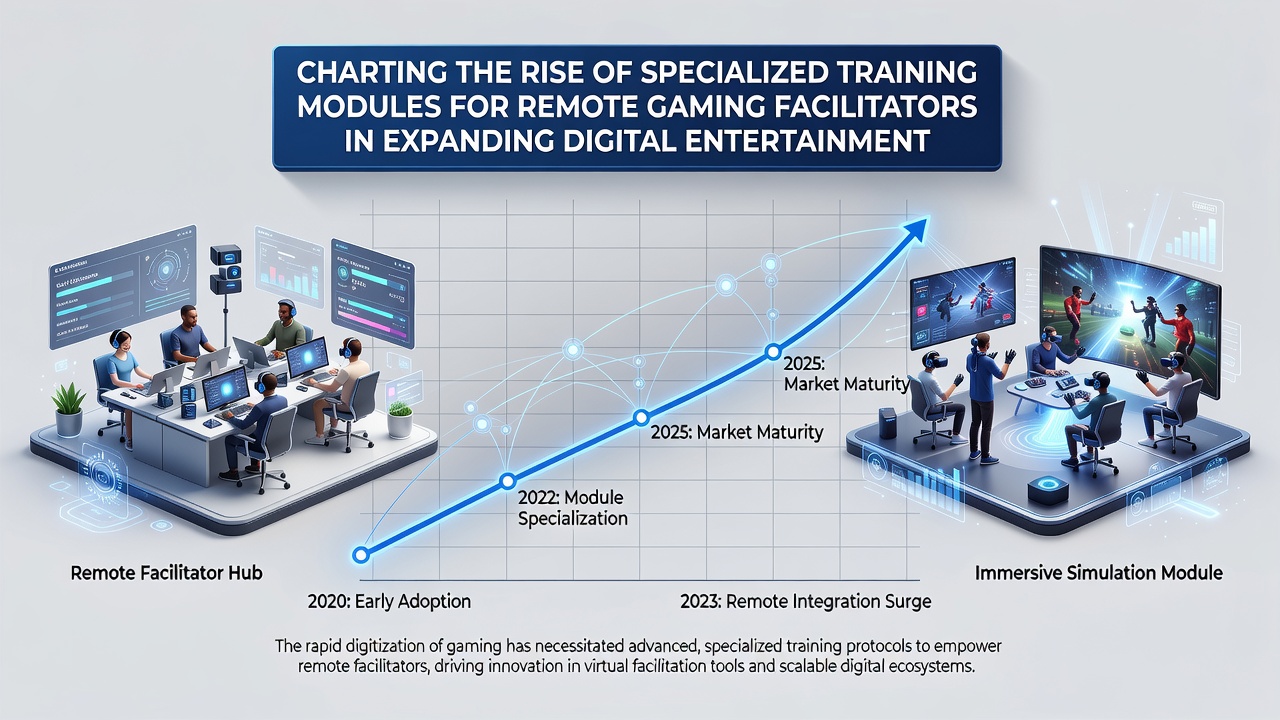
Specialized training modules for remote gaming facilitators have gained traction as digital networks expand across continents and platforms, with developers focusing on structured programs that address real-time interaction protocols and technical troubleshooting. Research indicates these modules often combine simulation software with scenario-based assessments, allowing participants to practice facilitation tasks under controlled conditions that mirror live network demands. Data from industry reports shows enrollment in such programs increased steadily between 2023 and 2025, driven by the need for consistent standards in multi-user environments.
Early Developments in Facilitator Preparation
Initial efforts to prepare remote gaming facilitators emerged from basic online certification courses offered by technology providers, whereas later iterations incorporated feedback loops from network operators who identified gaps in handling variable latency issues. Observers note that by 2024 several universities had launched dedicated modules within digital media studies departments, integrating elements of human-computer interaction with gaming network architecture. These programs emphasized active participation in moderated sessions, and participants learned to manage simultaneous user inputs while maintaining session integrity across distributed systems.
Expansion Patterns Observed in 2025 and 2026
Expansion of digital networks prompted training providers to scale their offerings, and figures reveal that organizations in North America and Europe released updated curricula in early 2025 that included modules on cross-platform compatibility and data privacy compliance. In November 2026 analysts at several research institutions documented further refinements, including the integration of adaptive learning algorithms that adjust difficulty based on individual performance metrics. Those who completed these updated modules reported measurable improvements in response times during simulated high-traffic events, according to aggregated performance logs shared by participating institutions.
Core Components Found in Current Modules
Current modules typically feature layered content that starts with foundational network diagnostics and progresses to advanced facilitation techniques such as conflict resolution in virtual spaces. Researchers discovered that programs incorporating virtual reality environments produced stronger retention rates among trainees compared with text-based alternatives, because participants could rehearse procedures in immersive settings that replicate actual network conditions. Training sequences often cover regulatory frameworks from multiple jurisdictions, and facilitators gain exposure to compliance checklists drawn from sources including the European Securities and Markets Authority guidelines on digital operations.
Regional Variations in Program Delivery
Delivery methods differ by region, with Australian providers emphasizing mobile-first interfaces that accommodate facilitators working across wide geographic areas, while Canadian institutions have incorporated partnerships with telecommunications firms to address connectivity challenges specific to remote locations. Studies from academic centers in Asia highlight the inclusion of multilingual support tools within modules, reflecting the international scope of many digital networks. Data indicates that hybrid formats combining live instructor sessions with self-paced digital resources have become standard, because they allow facilitators to balance training with operational responsibilities.
Impact Metrics and Ongoing Adjustments
Impact assessments conducted by independent research groups show that facilitators who complete specialized modules demonstrate higher rates of successful session moderation, measured through metrics such as user retention and incident resolution speed. Adjustments continue as network technologies evolve, and providers monitor feedback from operators to refine scenario libraries that address emerging issues like quantum-resistant encryption protocols. Those tracking these trends point to collaborative efforts between training developers and hardware manufacturers, which have led to standardized assessment benchmarks used across multiple continents.
Conclusion
The trajectory of specialized training modules for remote gaming facilitators reflects broader shifts in how digital networks are staffed and maintained, with evidence pointing to sustained investment in educational infrastructure. Organizations continue to refine content based on performance data and technological advances, ensuring that facilitators remain equipped for the demands of expanding systems. Reports scheduled for release after November 2026 are expected to provide additional clarity on long-term outcomes across different network scales.